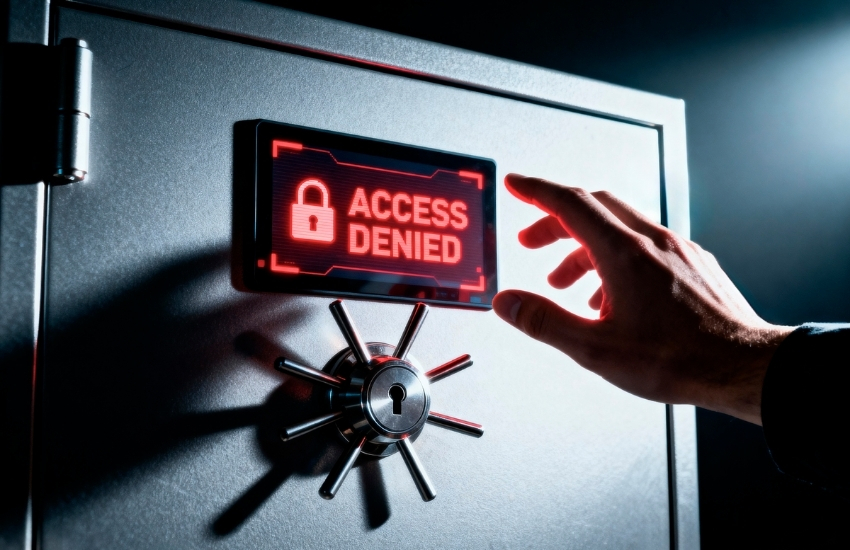
Nothing rattles your morning like a safe that refuses to open. Maybe you’re rushing to grab documents before a meeting, or you’re trying to reach cash before the bank closes. Either way, a jammed safe turns a simple task into a stressful ordeal. Fortunately, A Local Locksmith Queens Inc. handles this exact problem every single day, and most causes turn out to be far simpler than homeowners expect.
This guide walks you through the most common reasons a safe won’t open, explains why forcing it yourself creates more problems than it solves, and shows you exactly when to call a professional. By the end, you’ll understand your safe’s mechanism better and know precisely who to trust when things go wrong.
Why Your Safe Suddenly Won’t Open
Safes fail for predictable reasons. Once you understand these causes, you can often identify your issue in seconds and decide whether you need a quick fix or professional intervention.
You Entered the Wrong Combination or Key
Human error causes more safe lockouts than any mechanical fault. You might dial too quickly, skip a number, or stop rotation at the wrong point. Similarly, you might insert a spare key that doesn’t quite match your lock’s cut.
Slow down and re-enter your combination carefully. Turn the dial with steady, deliberate movements, and pause fully at each number. If you still can’t get in, check for a backup key or secondary combination that you may have stored elsewhere.
Your Lock Mechanism Has Worn Down
Mechanical safes rely on internal tumblers, wheels, and levers that align precisely when you enter the correct combination. Over years of use, these components wear down, shift slightly, or accumulate debris. As a result, the dial may feel loose, or you might notice unusual resistance when turning it.
This wear happens gradually, so you might not notice the decline until the day your safe simply refuses to cooperate. Once mechanical wear sets in, only a trained technician can recalibrate or replace the affected parts safely.
Your Battery Has Died (Electronic Safes)
Digital safes depend entirely on battery power to run the keypad and solenoid. When the battery drains, the keypad may go dark, beep erratically, or stop responding altogether. Manufacturers typically build in warning signals, such as a dim display or intermittent beeping, before the battery fully dies. Unfortunately, many owners miss these signals until they’re locked out completely.
Replace the battery immediately if you notice these warning signs. Keep a spare battery near your safe at all times, since this single habit prevents the majority of electronic lockouts.
The Bolt Work Has Shifted or Misaligned
Every safe contains a bolt mechanism that extends and retracts to lock and unlock the door. If someone slams the door shut, bumps the safe during a move, or installs it on an uneven surface, the bolts can shift out of alignment. Consequently, even a correctly entered combination won’t retract the bolts properly, and the door stays firmly shut.
This issue often masquerades as a “broken lock” when the real problem lies in the bolt work itself. A professional adjustment usually resolves it quickly, without requiring a full lock replacement.
Rust or Environmental Damage Has Set In
Safes placed in garages, basements, or coastal homes face constant exposure to humidity and temperature swings. Moisture creeps into the internal mechanism over time, causing rust to form on gears, springs, and bolt components. Consequently, parts that once moved smoothly begin to stick, grind, or freeze entirely.
Consider relocating your safe to a climate-controlled room whenever possible. If rust has already taken hold, don’t attempt to force the mechanism, since doing so often snaps corroded parts and complicates the repair.
Physical Damage or a Break-In Attempt Has Occurred
Sometimes a safe won’t open because someone previously tried to force it. Even an unsuccessful break-in attempt can bend internal components, crack the locking bolts, or damage the dial spindle. These issues frequently remain invisible from the outside, yet they prevent the mechanism from functioning correctly.
If you suspect tampering, treat the situation carefully. Deeper structural damage may exist beyond what you can see, and only a professional inspection reveals the full picture.
Why You Should Never Force Your Safe Open
When frustration sets in, many people reach for a crowbar, drill, or hammer. Resist this urge entirely. Forcing a safe open almost always backfires, and here’s why:
- You risk permanently damaging the safe. Prying or drilling frequently destroys the locking mechanism beyond repair, turning a simple fix into a full safe replacement.
- You endanger your valuables. Aggressive force can crush documents, warp jewelry, or damage cash stored inside.
- You risk personal injury. Power tools and forced entry attempts cause cuts, burns, and worse when handled without proper training.
- You void your warranty. Manufacturers typically refuse warranty claims once they detect signs of forced entry.
- You spend more money in the long run. DIY damage almost always costs more to repair than a professional visit would have cost in the first place.
Instead of risking these outcomes, call a trained technician who opens safes without causing unnecessary damage.
How A Local Locksmith Queens Inc. Diagnoses and Fixes Safe Lockouts
Professional safe locksmith follow a careful, non-destructive process that protects both your safe and its contents. Here’s what happens when you call A local Locksmith Queens Inc. for help:
- Initial diagnosis. The technician first identifies whether the issue stems from the combination, battery, bolt work, or internal mechanism.
- Non-destructive entry techniques. Skilled safe locksmiths use manipulation, scoping, or specialized tools to open the safe without drilling whenever possible.
- Component inspection. Once open, the technician inspects tumblers, springs, and bolt work for wear or damage.
- Repair or replacement recommendation. Depending on the findings, the professional safe locksmith either repairs the existing mechanism or recommends a replacement part.
- Testing and confirmation. Before leaving, the technician tests the safe multiple times to confirm smooth, reliable operation.
This approach preserves your safe’s structural integrity and keeps your valuables secure throughout the entire process.
When to Call a Safe Locksmith Immediately
Certain warning signs indicate that you need professional help right away, rather than attempting a home fix:
- You smell burning or notice smoke near the keypad.
- The keypad shows no lights or response whatsoever.
- The bolt feels completely stuck, even after multiple attempts.
- You suspect someone tampered with or attempted to break into the safe.
- Your dial spins freely without ever catching or engaging.
If you notice any of these signs, stop trying to open the safe yourself and contact a professional immediately.
How to Prevent Safe Lockouts in the Future
Prevention beats emergency repair every time. Follow these habits to keep your safe functioning reliably for years:
- Replace batteries proactively. Swap electronic safe batteries every six to twelve months, rather than waiting for them to die completely.
- Store your backup combination securely. Keep a written copy of your combination in a separate, secure location, such as a bank deposit box.
- Schedule annual maintenance. A yearly inspection catches small mechanical issues before they become full lockouts.
- Control your safe’s environment. Place your safe in a climate-controlled room to minimize rust and humidity damage.
- Handle your safe gently. Avoid slamming the door, since repeated force gradually misaligns the bolt work.
Key Points About Safe Locksmith
- Most safe lockouts stem from simple human error, not mechanical failure.
- Electronic safes depend heavily on battery health, so proactive replacement prevents most lockouts.
- Mechanical wear develops slowly, often without obvious warning signs.
- Bolt misalignment frequently mimics a “broken lock” symptom.
- Rust and humidity cause more long-term damage than most homeowners realize.
- Forcing a safe open almost always causes irreversible damage.
- Non-destructive entry techniques protect both your safe and its contents.
- Professional diagnosis identifies the true root cause, rather than just treating symptoms.
- Annual maintenance dramatically reduces your risk of future lockouts.
- Local, experienced locksmiths like A local Locksmith Queens Inc. resolve most lockouts within a single visit.
FAQs: About Safe Locksmith and Lockout
How much does it cost to open a safe in Queens?
Pricing varies based on your safe’s brand, lock type, and the complexity of the issue. A Local Locksmith Queens Inc. provides upfront pricing after a brief phone assessment, so you know the cost before any work begins.
Can a locksmith open my safe without damaging it?
Yes, in most cases. Trained technicians use manipulation and specialized tools to open safes without drilling. Drilling only becomes necessary when the internal mechanism has already failed or sustained damage.
How fast can a locksmith reach me in Queens for an emergency safe opening?
A Local Locksmith Queens Inc. offers fast emergency response throughout the Queens area, and technicians typically arrive within a short window after your call. Response times depend on your exact location and current demand.
Is it safe to try opening a stuck safe myself?
Generally, no. Attempting a DIY fix risks damaging the mechanism, harming your valuables, or injuring yourself. Simple issues like a low battery are safe to address at home, but mechanical or bolt-related problems require professional attention.
What should I do if my digital safe keypad stopped working entirely?
First, check whether the battery has died completely. If replacing the battery doesn’t restore power, contact a professional immediately, since the solenoid or internal wiring may need repair.
Do locksmiths service all safe brands and models?
Reputable locksmiths, including A Local Locksmith Queens Inc., service a wide range of residential and commercial safe brands. Always confirm with the technician beforehand if you own a less common or older model.
Can a locksmith change my safe’s combination after opening it?
Yes. Once your safe locksmith resolves the immediate lockout, they can reset your combination on the spot, giving you a fresh, secure code going forward.
How often should I have my safe professionally maintained?
Most manufacturers and locksmiths recommend annual maintenance checks. This schedule catches mechanical wear, corrosion, or battery issues before they escalate into a full lockout.
Final Thoughts
A safe that won’t open feels alarming in the moment, but the cause usually turns out to be manageable once you understand what’s happening inside the mechanism. Whether you’re dealing with a dead battery, a worn tumbler, or bolt misalignment, the safest path forward involves calling a trained professional and trusted safe locksmith rather than reaching for a drill.
A Local Locksmith Queens Inc. specializes in fast, damage-free safe opening, repair, and maintenance throughout the Queens area. From emergency safe openings to routine combination changes, the team handles every situation with care and precision. Don’t risk your valuables or your safe’s integrity on a DIY fix — contact A Local Locksmith Queens Inc. today and get back into your safe safely, quickly, and without unnecessary damage.